
The Perfect Neighbor Netflix review isn’t just another entry in the crowded true-crime genre — it is one of the most compelling, visceral documentaries of the year. Directed by Geeta Gandbhir and streaming globally on Netflix since October 17, 2025, the film has garnered widespread acclaim for its innovative storytelling, emotional heft, and unflinching examination of racial tensions and law enforcement in the U.S.
From its Sundance Film Festival Directing Award to its Oscar nomination for Best Documentary, The Perfect Neighbor has quickly become a standout title on streaming charts and critics’ lists alike. Many viewers have described it as “absolutely devastating” — a description that captures both its power and discomfort.
A Documentary That Breaks the Mold
Unlike many true-crime films that rely on talking-head interviews and heavy narration, The Perfect Neighbor is built almost entirely from police body-cam footage, 911 calls, and on-scene recordings. This immersive approach places viewers directly into the unfolding events, stripping away narrative mediation and making the conflict feel immediate and unfiltered.
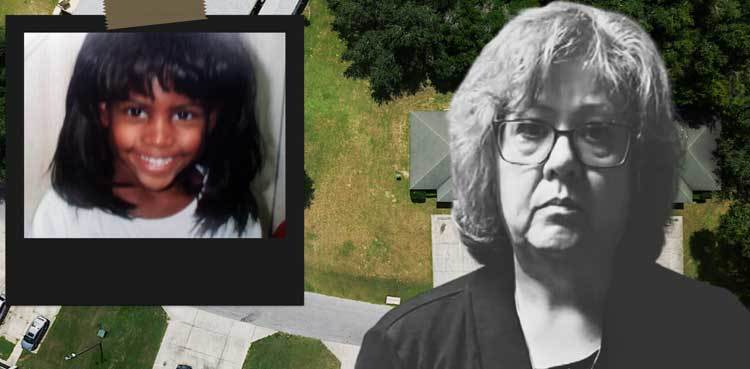
The film chronicles a tragic real-life incident in Ocala, Florida, where a seemingly ordinary neighborhood dispute escalated into violence resulting in the death of Ajike “AJ” Owens, a devoted mother of four. Neighbors and community members initially appear in the documentary as ordinary people — laughing, playing, and living their daily lives — but the tension gradually mounts against the backdrop of repeated police calls and escalating fear.
Owens was fatally shot by her neighbor, Susan Lorincz, who claimed she acted in self-defense under Florida’s controversial stand-your-ground law. The way the film presents this dispute — not with dramatic re-enactments, but through real footage and official responses — forces viewers to wrestle with the raw complexity of the situation.
Why It’s So Harrowing
One of the documentary’s most unsettling strengths is how ordinary tensions morph into deadly consequences. What starts with complaints about noise and neighborhood children quickly spirals toward violence, fear, and a lethal misinterpretation of threat. The filmmaking method — chiefly the use of actual video material captured during police responses — removes traditional cinematic distance, compelling audiences to witness events as they actually unfolded.
Critics have praised this method as “radically unmediated,” meaning the film trusts viewers to process the events without editorial direction, making the experience feel all the more real and personal. Reviewers note that this choice transforms The Perfect Neighbor from a crime documentary into something closer to a psychological and sociological examination of fear, bias, and tragedy.
The film’s editing, led by Viridiana Lieberman, has also been singled out for its precision, shaping raw footage into a narrative that is both taut and emotionally revealing. Instead of news-clip chaos, viewers receive a carefully constructed progression of escalating tension and missed opportunities for de-escalation.
Critical Acclaim and Industry Recognition
The Perfect Neighbor has not only struck a chord with audiences, it has been recognized by critics and film institutions:
- Sundance Film Festival 2025: Won the Directing Award for U.S. Documentary, cementing early buzz for the film.
- Critics’ Choice Documentary Awards: Dominated with multiple honors including Best Documentary Feature.
- Academy Awards 2026: Earned a Best Documentary nomination, signaling strong awards season momentum and industry respect.
On Metacritic, the documentary enjoys universal acclaim with a high score reflective of strong critic approval, while user reactions show solid audience engagement despite the emotional weight of the subject matter.
A Story of Community, Law, and Consequences
At its core, The Perfect Neighbor is more than a recounting of a tragic event — it’s a probing study of how fear, prejudice, and legal structures intersect to devastating effect. By relying on body-cam footage, the film avoids conventional commentary, instead letting viewers confront the unsettling reality of how quickly routine situations can escalate.
Particularly poignant are scenes showing:
- Police responses over time that fail to de-escalate underlying tensions.
- Neighbors’ interactions that, in hindsight, signal unaddressed conflict.
- The final moments and their emotional fallout in the community.
This approach forces a reflection on broader societal issues such as racial bias, legal interpretations of self-defense, and community disconnect in contemporary American life.
Audience Impact and Cultural Conversation
The Perfect Neighbor quickly became one of Netflix’s most-watched documentaries, recording millions of views in its first days on the platform, and consistently staying in the streamer’s top rankings.
Online discourse — from social media platforms to film forums — reflects the documentary’s emotional and intellectual impact. Viewers describe it as “devastating” and “difficult to watch,” not because of cinematic shock tactics, but because the story feels too grounded in uncomfortable reality.
Some viewers also note how the film prompts conversations about gun laws, race, and justice systems, extending its reach far beyond simple entertainment. The narrative becomes a lightning rod for discussion about how laws like Florida’s stand-your-ground can be invoked in ways that entrench fear rather than protect community safety.
Why It Resonates Beyond True Crime
True-crime documentaries often blend sensationalism with empathy, but The Perfect Neighbor stands out because it doesn’t aim to shock with gruesome reenactments or dramatic speculation. Instead, it grounds its narrative in lived reality, reminding audiences that real people, families, and children are at the center of these events.
The tragic culmination of the story — the fatal shooting of Ajike “AJ” Owens, a Black mother of four — underscores how ordinary neighborhood tensions can be inflamed by deeper issues like fear, bias, and misunderstanding. The documentary doesn’t answer all questions, but it compels viewers to consider them deeply.
Conclusion: A Netflix Documentary with Lasting Impact
The Perfect Neighbor is a powerful true-crime documentary that transcends the conventions of its genre. Its immersive use of real footage, absence of overt narration, and focus on the human cost of systemic tensions make it one of the most compelling nonfiction films of the year. With festival awards, Oscar recognition, and strong audience engagement, the documentary is not just worth watching — it’s one of the most important social films in recent memory.
Whether you’re a documentary enthusiast or someone drawn to stories that shed light on the complexities of community, law, and empathy, The Perfect Neighbor is an unforgettable viewing experience that raises questions long after the credits roll.