
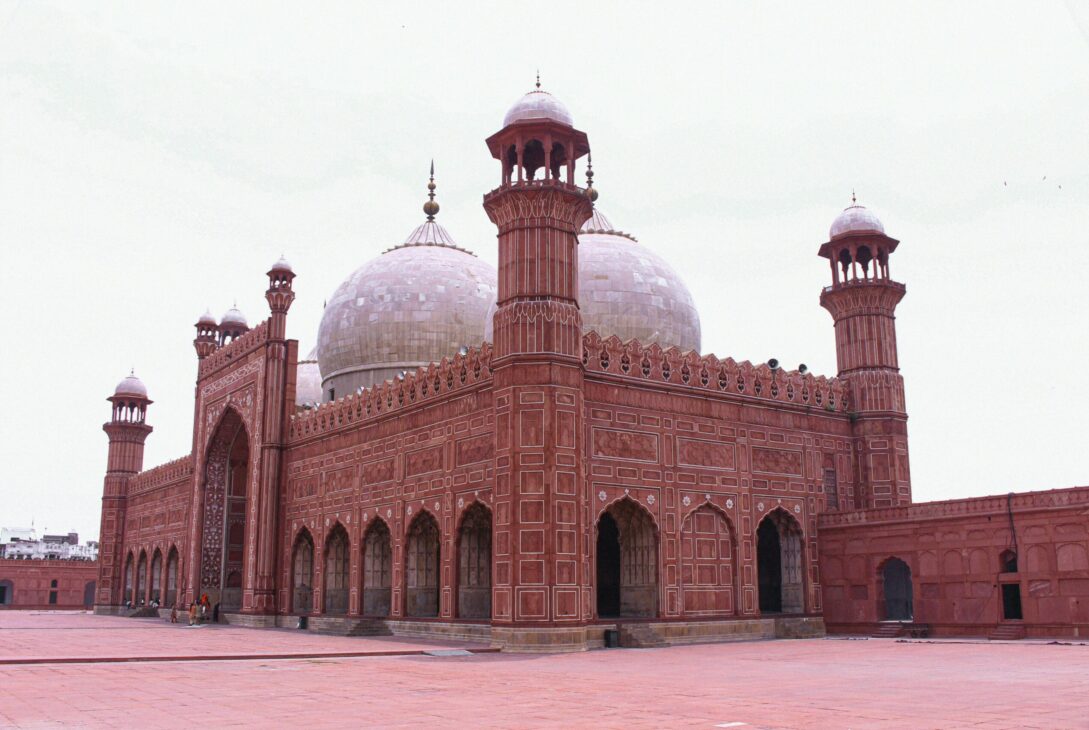
Lahore is not just a city—it is an emotion, a memory, and a living museum of South Asian history. Often called the cultural heart of Pakistan, Lahore carries centuries of stories in its streets, walls, mosques, gardens, and kitchens. From the narrow alleys of the Walled City to the grandeur of Mughal architecture and the irresistible charm of its food culture, Lahore’s living heritage continues to thrive in the modern age.
This blog takes you on a journey through Lahore’s historic soul, exploring how the past and present coexist beautifully in one of South Asia’s most iconic cities.
The Walled City of Lahore: Where History Breathes
A City Within a City
The Walled City of Lahore is the oldest part of the city and one of the most historically rich urban settlements in the region. Dating back over a thousand years, it was once protected by a massive wall with 13 gates, many of which still stand today, including Delhi Gate, Bhati Gate, and Lohari Gate.
Walking through the Walled City feels like stepping back in time. The narrow streets, overhanging wooden balconies, bustling bazaars, and centuries-old homes reflect the layered history of Hindu, Buddhist, Muslim, Mughal, Sikh, and British influences.
Key Highlights of the Walled City
- Delhi Gate – The main entrance to the Walled City and a hub of cultural activity
- Shahi Hammam – A restored Mughal-era bathhouse showcasing Persian architectural influence
- Wazir Khan Mosque – Famous for its intricate frescoes and tile work
- Gali Surjan Singh & Gali Pir Bola – Streets rich in architectural heritage
The restoration efforts by conservation authorities have helped preserve this historic area, ensuring that Lahore’s living heritage remains accessible to future generations.
Mughal Architecture: Lahore’s Golden Era
A Legacy of Grandeur
Lahore reached its architectural peak during the Mughal era, especially under emperors Akbar, Jahangir, Shah Jahan, and Aurangzeb. The Mughal rulers transformed Lahore into a center of art, culture, and imperial power, leaving behind monuments that still define the city’s skyline.
Iconic Mughal Monuments in Lahore
Lahore Fort (Shahi Qila)
A UNESCO World Heritage Site, Lahore Fort is a masterpiece of Mughal military and royal architecture. Within its massive walls lie marvels such as the Sheesh Mahal (Palace of Mirrors), Naulakha Pavilion, and Diwan-e-Aam.
Badshahi Mosque
Built by Emperor Aurangzeb in 1673, the Badshahi Mosque is one of the largest mosques in the world. Its red sandstone structure, marble domes, and vast courtyard symbolize Mughal power and spiritual devotion.
Shalimar Gardens
Another UNESCO-listed site, Shalimar Gardens reflect Mughal mastery of landscape design, water engineering, and symmetry. Designed during Shah Jahan’s reign, the gardens were meant to represent paradise on earth.
These monuments are not relics of the past—they remain active spaces of worship, tourism, and cultural pride.
Lahore’s Food Scene: A Heritage on Every Plate
The Soul of the City
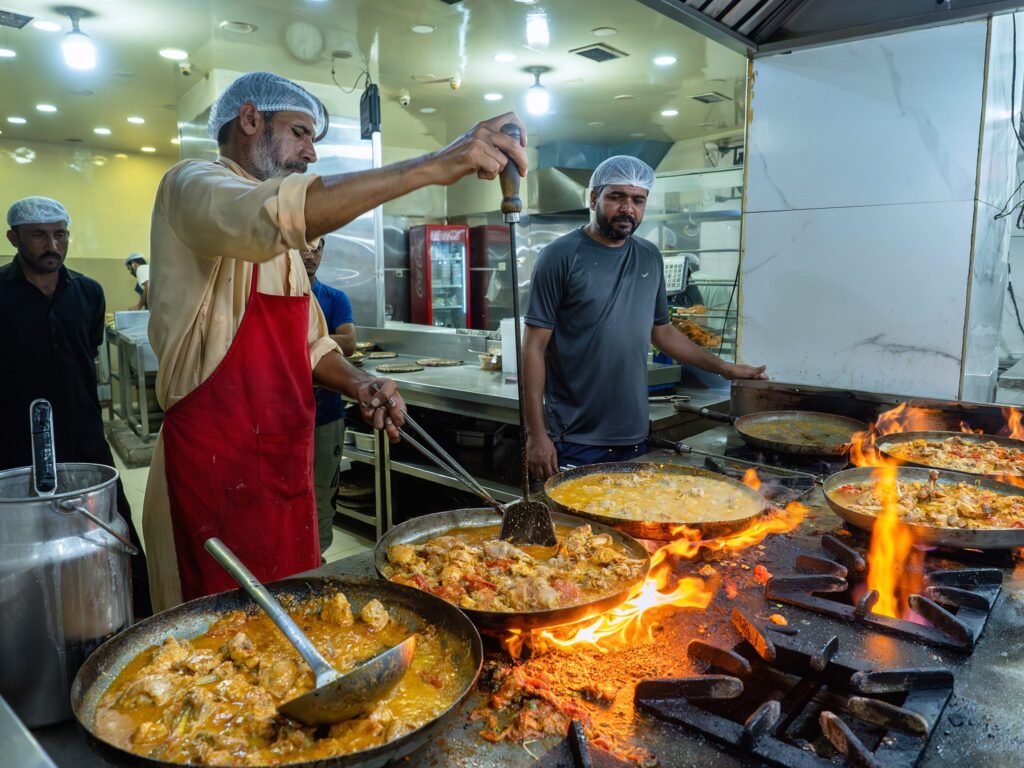
If history lives in Lahore’s buildings, food lives in its streets. Lahore is widely regarded as the food capital of Pakistan, where recipes passed down through generations continue to define the city’s identity.
Food in Lahore is not just about taste—it’s about tradition, gathering, and celebration.
Famous Food Streets and Areas
- Gawalmandi Food Street – The heart of traditional Lahori cuisine
- Fort Road Food Street – Dining with a view of Badshahi Mosque
- Anarkali Bazaar – A mix of shopping and legendary street food
Must-Try Lahori Dishes
- Nihari – Slow-cooked beef stew, a breakfast favorite
- Paye – A rich, traditional delicacy
- Chicken Karahi – Spicy and aromatic
- Seekh Kebabs & Tikka – Chargrilled perfection
- Halwa Puri – A classic Lahori breakfast
- Lassi – Thick, creamy yogurt drink
These dishes reflect Lahore’s multicultural past, influenced by Mughal kitchens, Punjabi traditions, and street-side innovation.
Festivals, Art, and Living Culture
Lahore’s heritage is not frozen in monuments—it lives through festivals, music, poetry, and daily life.
- Basant (kite festival) once colored Lahore’s skies
- Literary festivals and art exhibitions keep intellectual traditions alive
- Qawwali and classical music echo through shrines and cultural centers
- Sufi traditions remain strong at Data Darbar and other shrines
Lahore’s residents take pride in preserving their traditions while embracing modern creativity.
Why Lahore’s Living Heritage Matters
Lahore’s heritage is not just Pakistan’s—it belongs to the world. As urbanization accelerates, preserving the Walled City, Mughal monuments, and culinary traditions becomes more important than ever.
Cultural tourism in Lahore:
- Supports local communities
- Encourages heritage conservation
- Promotes Pakistan’s soft image globally
Visitors leave Lahore not just with photos, but with stories, flavors, and memories that last a lifetime.
Best Time to Visit Lahore
The ideal time to explore Lahore is October to March, when the weather is pleasant for walking tours, sightseeing, and food exploration. Summers can be extremely hot, while winters are mild and enjoyable.
Travel Tips for Exploring Lahore’s Heritage
- Wear comfortable shoes for walking in the Walled City
- Hire a local guide for deeper historical insight
- Respect cultural and religious norms
- Try food from reputable, busy vendors
- Visit early morning or evening to avoid crowds
Conclusion
Lahore’s living heritage is a rare blend of history, architecture, culture, and cuisine that continues to thrive in modern times. From the timeless lanes of the Walled City to the grandeur of Mughal monuments and the unforgettable flavors of Lahori food, the city offers an experience that touches every sense.
To truly understand Pakistan, one must experience Lahore—because as the locals proudly say:
“Jinay Lahore nai wekhya, o jamya hi nai.”