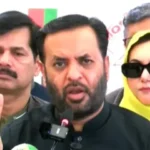

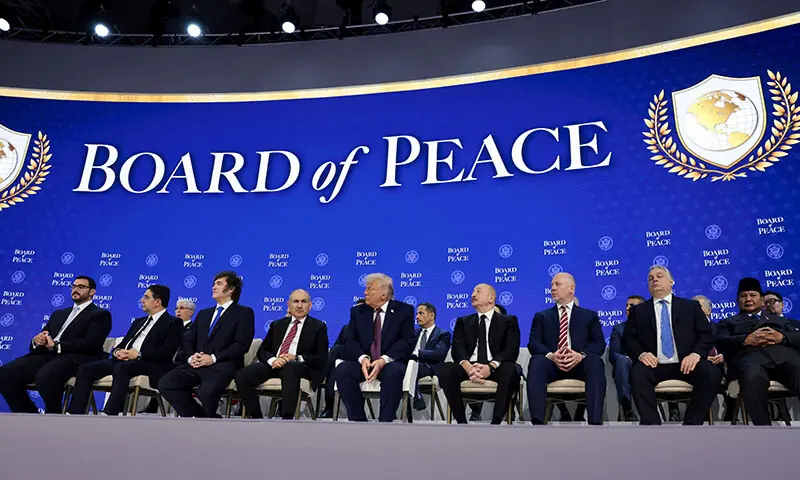
The Govt defends decision to join Trump’s Board of Peace ’ led by US President Donald Trump, arguing that the move was made in the national interest and to support the Palestinian people, even as opposition parties in the National Assembly strongly objected to the process and implications of the decision.
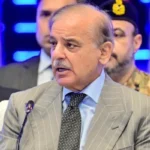
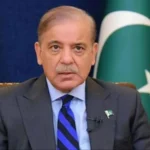
The Board of Peace — a new international initiative initially framed to oversee peace and reconstruction efforts in Gaza after the war — saw Pakistan’s Prime Minister Shehbaz Sharif and representatives from several countries sign its founding charter during a ceremony at the World Economic Forum in Davos, Switzerland.
Government’s Justification in the National Assembly
Addressing widespread criticism, Parliamentary Affairs Minister Dr. Tariq Fazal Chaudhry told lawmakers that Pakistan’s participation in the Board of Peace was grounded in the country’s long-standing principled position on the Palestinian issue. He emphasised that Pakistan has consistently raised the plight of the Palestinians at international forums and that this decision aligned with national and collective Muslim community interests.
Dr. Chaudhry noted that United Nations Security Council resolutions have called for a permanent ceasefire and reconstruction of Gaza, and asserted that Pakistan’s engagement with the board was intended to support these objectives while ensuring Pakistan’s own interests were safeguarded. He urged members of the assembly not to turn the issue into political point-scoring.
Opposition Reaction: Process and Substance
Despite the government’s defence, opposition parties responded with strong criticism:
1. Lack of Parliamentary Consultation
Opposition leaders, especially from the Pakistan Tehreek-e-Insaf (PTI) and Jamiat Ulema-i-Islam Fazl (JUI-F), argued that the decision was taken without proper parliamentary scrutiny or public consultation, making it politically and constitutionally questionable. They maintained that such an important foreign policy decision should have been debated and approved by the National Assembly before Pakistan joined the board.
2. Concerns Over Credibility and UN Legitimacy
Critics pointed out that the Board of Peace is not a United Nations body and lacks the multilateral legitimacy associated with the UN system. They warned that joining a parallel structure could complicate international governance and dilute Pakistan’s traditional stance on resolving conflicts through established multilateral platforms like the United Nations.
3. Palestinian Representation and Strategic Issues
Several opposition figures criticised the composition and potential mandate of the board, noting that it lacks direct Palestinian representation and could ultimately sideline Palestinian voices in matters directly affecting them. Some also questioned whether Pakistan might be expected to play controversial roles, including discussions around disarmament, which could contradict Pakistan’s principled support for the Palestinian cause.
4. Broader Foreign Policy Concerns
Opposition critics further warned that Pakistan’s participation could compromise its relations with other Muslim countries and deviate from long-standing foreign policy principles that prioritise Palestinian sovereignty and international law. They also emphasised that no clear public explanation of the terms of membership or Pakistan’s role was provided prior to the decision.
Political Implications and Broader Debate
The debate has highlighted several broader issues:
- Foreign policy decision-making: Opposition parties contend that critical decisions should be made with parliamentary buy-in and broad political consensus to uphold democratic norms.
- National interests versus international alliances: Supporters of the government argue that participation provides Pakistan a platform to voice concerns over Gaza and other global conflicts, while critics view it as aligning with agendas that may not directly benefit Pakistan or align with longstanding diplomatic principles.
- Multilateral legitimacy: The controversy underscores Pakistan’s balancing act between engagement in emerging international initiatives and upholding traditional multilateral frameworks such as the United Nations system.
Conclusion
The government’s defence of joining the Trump-led Board of Peace reflects its effort to position Pakistan as a proactive player in international peace initiatives, particularly concerning Gaza’s future. However, strong opposition outcry in the National Assembly — focused on the lack of parliamentary consultation, questions over legitimacy, and potential diplomatic repercussions — has turned what the government describes as a principled decision into a heated political debate.
As Pakistan navigates this controversy, both supporters and critics agree that clear communication, parliamentary involvement, and alignment with broader foreign policy goals will be essential to ensure that international engagement serves the country’s long-term strategic and moral interests.