
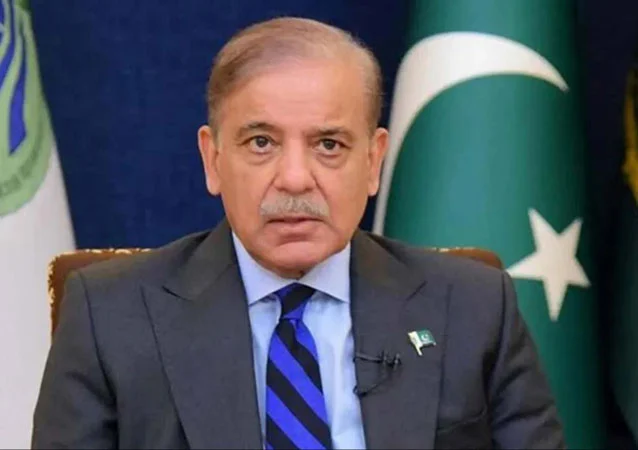
Prime Minister Shehbaz Sharif has underlined that export‑led growth is the only viable path forward for Pakistan’s economy, reaffirming his government’s commitment to increasing exports, diversifying trade, and implementing structural reforms to support sustainable development. The remarks were made during a key address at the World Economic Forum (WEF) in Davos, where Pakistan showcased its economic priorities and reform agenda to global investors and policymakers.
Why Export‑Led Growth Matters
For an economy like Pakistan’s, which has grappled with external imbalances, fiscal pressures, and persistent trade deficits, focusing on export‑led growth offers several strategic benefits:
1. Boosting Foreign Exchange Reserves
Higher export earnings can strengthen Pakistan’s foreign exchange reserves, providing a buffer against external shocks and enabling better management of import bills and debt obligations.
2. Reducing Trade Deficits
Pakistan has historically faced large trade deficits due to a reliance on imports for energy, machinery, and raw materials. Expanding exports — particularly in sectors like agriculture, textiles, and IT — can help narrow the gap between exports and imports and reduce pressure on the balance of payments.
3. Job Creation and Economic Inclusion
Export‑oriented sectors, including agriculture, manufacturing, and information technology, have a strong potential to create jobs, especially for young workers and women, thereby supporting broader economic inclusion and social development.
4. Attracting Investment
A competitive export sector signals economic vitality to foreign investors, encouraging inflows of capital, technology, and expertise that further enhance productivity and industrial growth.
PM Shehbaz’s Davos Remarks: A Clear Economic Direction
Speaking at the Pakistan Pavilion on the sidelines of the 56th Annual Meeting of the World Economic Forum, PM Shehbaz highlighted that Pakistan’s macroeconomic landscape is stabilizing and that the country must now focus on trading its way to long‑term growth. He noted:
- Inflation has declined sharply — from around 30% to about 5.5%.
- The policy interest rate was reduced from 22.5% to 10.5%.
- Structural reforms, especially in revenue mobilization and digitalization, have boosted the tax‑to‑GDP ratio from 9% to 10.5%.
- IT exports have shown encouraging performance, approaching $3 billion annually, supported by policy instruments and market facilitation.
“These macroeconomic indicators are reassuring,” the prime minister said, adding that although exports face challenges, the direction is clear: Pakistan must pursue export‑led growth to achieve sustainable development.
Structural Reforms to Support Export Growth
PM Shehbaz emphasized that his government is implementing fundamental structural changes aimed at making Pakistani products and services more competitive in global markets:
Revenue and Taxation Reforms
Digitalization of revenue collection and improvements in the tax system aim to create a transparent and efficient business environment that supports manufacturing and exporting firms.
Diversification of Export Base
Alongside traditional sectors like textiles and agriculture, the government is looking to expand mining and mineral exports and build capacity in emerging sectors such as information technology, artificial intelligence, and crypto‑related industries.
Youth Empowerment
With a large and young workforce, Pakistan is investing in vocational training and skills development, enabling its youth to contribute productively to the export economy — both domestically and abroad.
Agriculture and Trade Partnerships
Pakistan’s agricultural export sector has been spotlighted as a key growth driver, and government efforts continue to focus on enhancing market access and product value. Earlier initiatives have involved discussions on expanding rice, meat, and other agricultural exports with countries like Malaysia — part of a broader export promotion strategy.
Export Challenges and the Road Ahead
While the emphasis on export‑led growth has widespread support among economists, implementation faces practical challenges:
- Global competition in traditional sectors like textiles.
- Infrastructure bottlenecks including logistics, cold chain systems, and port efficiency.
- Access to finance for exporters, especially small and medium‑sized enterprises (SMEs).
Addressing these constraints will require continued policy support, regulatory reforms, and collaboration between the government and private sector to ensure export competitiveness.
Policy Measures Already Underway
The Shehbaz administration has already taken several steps aimed at boosting exports:
- Abolishing export related surcharges to improve competitiveness of Pakistani goods.
- Directing a comprehensive export strategy to increase agricultural exports and reduce the trade deficit.
- Encouraging institutional reforms to support exporters and streamline operations across exporter communities.
Why Export‑Led Growth Is Strategic for Pakistan
Pakistan’s internal market, while large, is not sufficient alone to catalyze rapid economic growth. Export‑oriented development provides access to global markets, higher foreign exchange earnings, and opportunities to move up the value chain in industries ranging from agriculture and textiles to technology and mining.
By focusing on export growth, Pakistan aims to transform its position from a consumption‑led economy to a production and trade‑driven economy, capable of sustained expansion even in the face of external shocks.
Conclusion
Prime Minister Shehbaz Sharif’s assertion that “export‑led growth is the way forward” for Pakistan highlights a strategic shift toward leveraging global markets to drive economic prosperity. Strengthened by macroeconomic stabilization, structural reforms, and targeted support for exporters, Pakistan’s focus on trade expansion reflects a long‑term vision for sustainable development. — Not only is export growth vital for strengthening foreign exchange reserves and reducing trade deficits, but it also opens opportunities for job creation, innovation, and global competitiveness.
As Pakistan pursues this pathway, the success of export‑led growth will depend on continued reforms, enhanced infrastructure, and strong public‑private collaboration to unlock the full potential of the country’s industrial and service sectors.