
In a historic turning point for South Asian democracy, Bangladesh held its first general election since the 2024 “Monsoon Revolution” yesterday, February 12, 2026. Bangladesh Dramatic Election Results, which began trickling in early this morning, February 13, signal a seismic shift in the nation’s political landscape.+1
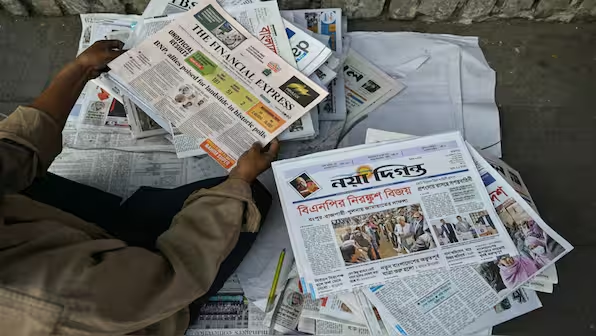
The Landslide: BNP Returns to Power
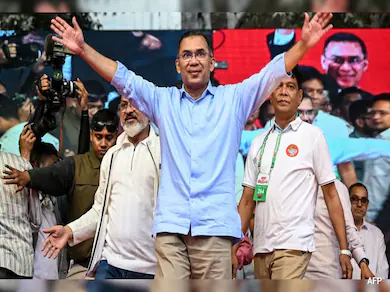
The Bangladesh Nationalist Party (BNP), led by Tarique Rahman, has claimed a sweeping victory, effectively ending nearly two decades of political exile. Preliminary counts show the BNP and its allies securing a two-thirds majority in the Jatiya Sangsad.+1
- Seat Count: Unofficial counts show the BNP and its partners winning at least 212 of the 299 seats contested.
- The Opposition: Jamaat-e-Islami, leading an 11-party alliance, emerged as the primary opposition, claiming approximately 70 seats—a record performance for the Islamist party.
- A New Entrant: The National Citizen Party (NCP), formed by leaders of the 2024 student uprising, entered parliament for the first time, reflecting the ongoing influence of the “Gen Z” activists who toppled the previous regime.
Bangladesh Dramatic Election Results
The “July Charter” Referendum
Running alongside the parliamentary vote was a landmark constitutional referendum. Voters were asked to approve the July Charter, a package of reforms designed to “future-proof” Bangladesh against autocracy. Early results indicate the referendum passed with over 65% approval, mandating:+1
- Prime Ministerial Term Limits: A maximum of two terms for any individual.
- Judicial Independence: Strengthened protections for the courts.
- Proportional Representation: Changes to how certain seats are allocated.
For any information about Epstein list and Epstein files
Key Takeaways from the Election
- The Absence of the Awami League: For the first time in decades, the Awami League was absent from the ballot, having been suspended following the 2024 crackdown. Former PM Sheikh Hasina, currently in exile in India and recently sentenced to death by a war crimes tribunal, denounced the vote from abroad as a “farce.”
- Historic Turnout: Despite concerns over stability, voter turnout reached 60.69%, nearly 20% higher than the 2024 cycle. This was also the first election to include a structured postal ballot system for the Bangladeshi diaspora.+1
- Geopolitical Realignments: In a significant diplomatic move, India’s Prime Minister Narendra Modi was among the first to congratulate Tarique Rahman, signaling a potential “thaw” in relations that had soured since Hasina’s ouster.
What’s Next for Bangladesh?
The newly elected BNP government faces the daunting task of stabilizing a fragile economy while navigating the high expectations of the youth movement. Tarique Rahman, who returned from 17 years of exile in London just months ago, has pledged an era of “clean politics” and a zero-tolerance policy toward corruption.
Conclusion
The 2026 General Election marks a definitive “Reset” for Bangladesh. By overwhelmingly choosing the BNP, voters have signaled a desire for traditional political stability, but the simultaneous approval of the July Charter proves they are not willing to return to the status quo of the past 15 years.
Tarique Rahman now enters office with a historic mandate but faces a “Gen Z” electorate that is more vigilant and digitally organized than ever before. The success of this new government will be judged not just by its ability to revive the economy, but by how faithfully it implements the constitutional checks and balances demanded by the 2024 Revolution.
For the first time in a generation, the “Battle of the Begums” has ended, replaced by a complex, multi-party landscape that holds the promise of a more inclusive Bangladeshi democracy.
Bangladesh Nationalist Party wins landslide majority in first election since Gen Z uprising
(FAQs)
Q: Who is the winner of the 2026 Bangladesh General Election? A: The Bangladesh Nationalist Party (BNP), led by Tarique Rahman, has secured a landslide victory. Unofficial results indicate the BNP and its allies have won at least 212 out of 299 seats, comfortably surpassing the 151-seat majority requirement.
Q: What was the voter turnout for this election? A: The Election Commission reported a turnout of 59.44%. This is a significant increase (nearly 18%) compared to the boycotted 2024 election, reflecting high public engagement in the first post-revolution vote.
Q: What were the results of the July Charter Referendum? A: The referendum was held simultaneously with the general election. While official percentages are being finalized, early data confirms a strong “Yes” vote. This mandate allows the new parliament to implement 30 core reforms, including a two-term limit for Prime Ministers and the transition to a bicameral (two-house) legislature.
Q: Why was the Awami League not on the ballot? A: Following the 2024 uprising, the Awami League was suspended from political activity pending trials for “crimes against humanity” committed during the crackdown on student protesters. Former PM Sheikh Hasina remains in exile in India.
Q: Who will form the opposition in the new parliament? A: An 11-party alliance led by Jamaat-e-Islami has emerged as the second-largest bloc with approximately 70 seats, while the student-led National Citizen Party (NCP) successfully entered parliament for the first time.
Last modified: February 13, 2026