
While Karachi and Hyderabad often dominate the spotlight, interior Sindh is a treasure trove of history, culture, and heritage waiting to be explored. From the world-famous Mohenjo-Daro ruins to the historical city of Thatta, this region offers travelers and history enthusiasts a chance to step back in time and experience the depth of Pakistan’s ancient civilization and Islamic architectural legacy.
This guide uncovers the hidden historical and cultural sites of interior Sindh, highlighting why they are must-visits for anyone interested in Pakistan’s rich past.
1. Mohenjo-Daro: Cradle of the Indus Valley Civilization
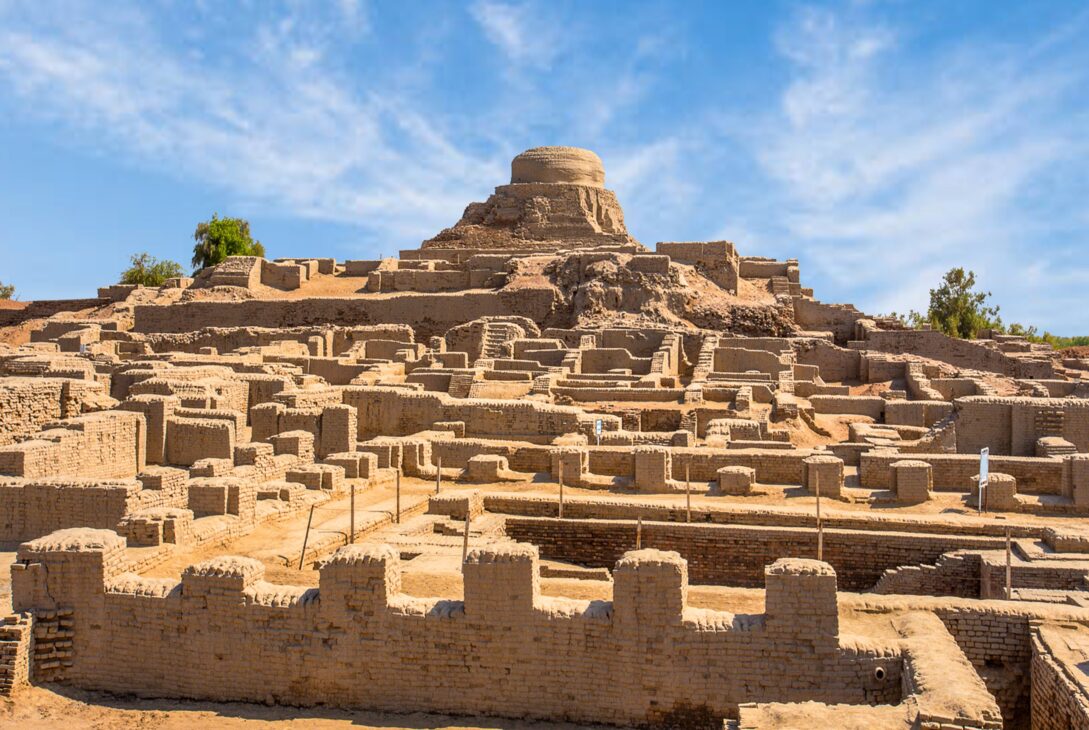
Located near Larkana, Mohenjo-Daro is one of the world’s earliest urban settlements, dating back to around 2500 BCE. It represents the pinnacle of the Indus Valley Civilization, showcasing remarkable urban planning, architecture, and social organization.
Highlights of Mohenjo-Daro
- The Great Bath: A large public bathing area believed to be used for ritual purification.
- Advanced Drainage Systems: The city’s sophisticated sewage and drainage reflect an advanced understanding of urban planning.
- Residential Complexes: Houses built with baked bricks, featuring private wells and courtyards.
Visiting Mohenjo-Daro is like stepping into ancient history, allowing you to witness the ingenuity of one of the earliest human civilizations. Archaeologists and tourists alike are fascinated by the mystery surrounding its sudden decline.
2. Thatta: Architectural Marvels and Islamic Heritage
Once the capital of Sindh, Thatta is renowned for its medieval Islamic architecture and is home to some of the most exquisite examples of Sindhi craftsmanship. The city is located about 100 km from Karachi and is accessible via scenic rural roads.
Top Sites in Thatta
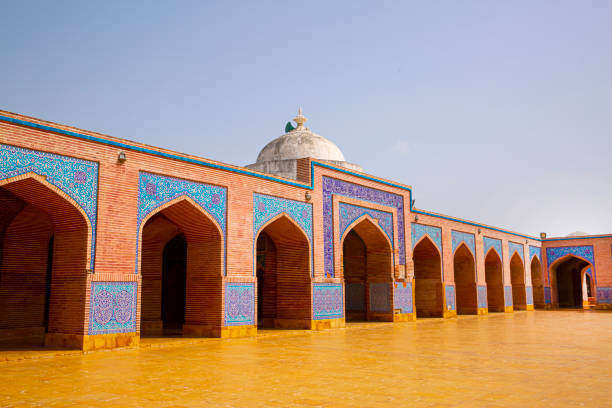
- Shah Jahan Mosque: Built in the 17th century, it is famous for its blue tiles, intricate frescoes, and fine arches. A UNESCO World Heritage Site, it represents the pinnacle of Mughal-era architecture in Sindh.
- Makli Necropolis: One of the largest funerary sites in the world, spanning over 10 square kilometers. It contains hundreds of tombs of rulers, saints, and scholars, showcasing centuries of architectural evolution.
- Sami Shah Shrine and Local Tombs: These lesser-known tombs reflect regional artistry and cultural traditions, often overlooked by mainstream tourism.
Thatta offers a glimpse of Islamic history and Sindhi culture, blending spiritual, artistic, and architectural wonders into one destination.
3. Kot Diji Fort: A Prehistoric Stronghold
Located near Khairpur, Kot Diji Fort predates Mohenjo-Daro and offers insight into early Sindhi fortification and governance. Built atop a hill, the fort provided a strategic advantage during the 18th and 19th centuries.
Why Visit Kot Diji Fort
- Imposing walls and bastions overlooking the surrounding plains.
- A museum inside the fort with artifacts from the Indus Valley and local history.
- Panoramic views of Sindh’s rural landscape.
Visitors are drawn not only by its historical significance but also by its stunning visual appeal.
4. Jhirk and the Hidden Heritage of Rural Sindh
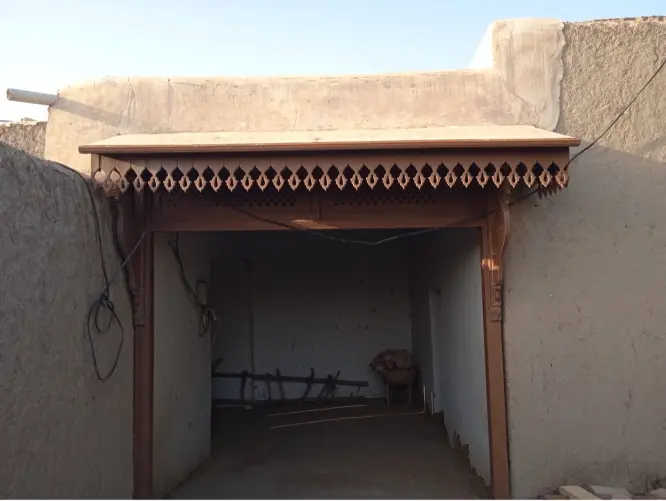
Beyond the well-known sites, interior Sindh is dotted with lesser-known historical and cultural spots:
- Jhirk: An ancient trading hub with remnants of colonial and pre-colonial Sindh.
- Sindh’s traditional villages: Experience folk music, handicrafts, and rural Sindhi cuisine.
- Local festivals: These reflect Sindh’s Sufi traditions and vibrant community life.
Exploring these hidden gems provides a deeper, more immersive experience of Sindhi culture away from crowded tourist areas.
5. Culinary and Cultural Experiences
A journey through interior Sindh is incomplete without sampling local flavors and cultural practices:
- Sindhi Biryani: Rich, spicy, and aromatic, often considered the crown jewel of Sindhi cuisine.
- Street food in Larkana and Sukkur: Try samosas, pakoras, and sweet desserts like Mithai and Gajar Halwa.
- Traditional crafts: Local pottery, ajrak printing, and handwoven textiles reflect centuries of Sindhi artistry.
Combining historical exploration with culinary delights gives visitors a holistic understanding of Sindh’s heritage.
6. Tips for Exploring Interior Sindh
- Travel: Best explored via car or guided tour due to limited public transport in rural areas.
- Weather: Ideal travel months are October to March when temperatures are mild.
- Safety: Stick to well-known sites and travel in groups for remote areas.
- Cultural Respect: Dress modestly, especially at religious and historical sites.
Conclusion
Interior Sindh is a hidden jewel of Pakistan, offering experiences far beyond the bustling cities. From the ancient marvels of Mohenjo-Daro to the Mughal-era grandeur of Thatta, the region is a living museum of history, architecture, and culture. Visitors can enjoy a blend of archaeological exploration, architectural beauty, and authentic Sindhi cuisine, making interior Sindh a must-visit destination for travelers seeking both knowledge and adventure.
Whether you are a history enthusiast, cultural traveler, or foodie, exploring interior Sindh unveils a side of Pakistan often overlooked, yet rich with stories spanning millennia.