
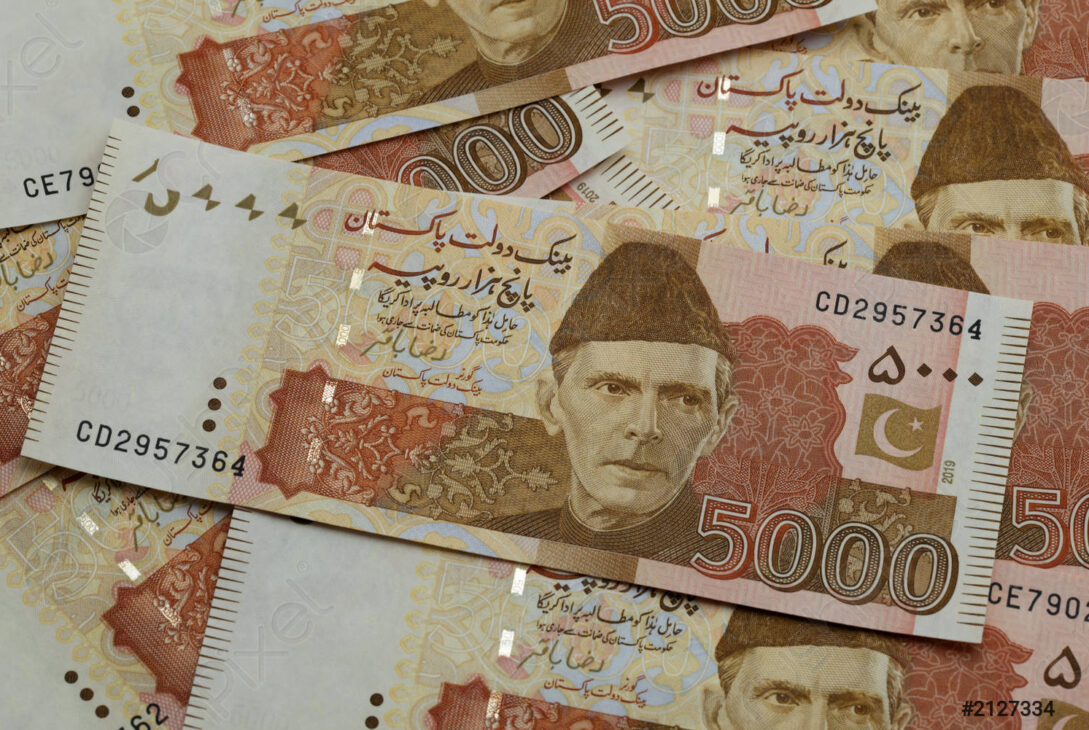
Pakistan’s $5 Billion Consumer Lending Market, estimated at nearly $5 billion, has quietly become one of the most dynamic segments of the country’s financial sector. Despite economic volatility, inflationary pressures, and tight monetary conditions, consumer financing continues to play a critical role in shaping household spending, financial inclusion, and overall economic activity.
From personal loans and auto financing to credit cards and digital “buy now, pay later” (BNPL) products, consumer lending in Pakistan reflects the evolving needs of a young, urbanizing population. But what exactly drives this market, and why does it continue to survive—and even grow—under challenging conditions?
This blog takes a deep dive into the key factors, players, risks, and future outlook of Pakistan’s consumer lending market, offering a complete picture of what makes it tick.
Understanding Pakistan’s Consumer Lending Market
Consumer lending refers to credit extended to individuals rather than businesses. In Pakistan, this typically includes:
- Personal loans
- Auto loans
- Credit cards
- Consumer durable financing (electronics, appliances)
- Housing finance (limited but growing)
- Digital and fintech-based lending
While the market is modest compared to developed economies, its impact is disproportionately large due to Pakistan’s population size, low financial penetration, and rising consumer aspirations.
Key Drivers Behind Pakistan’s Consumer Lending Growth
1. A Young and Aspirational Population
Pakistan has one of the youngest populations in the world, with a median age under 25. This demographic is increasingly urban, digitally connected, and consumption-driven.
Young consumers are more willing to:
- Use credit cards
- Finance smartphones, motorcycles, and cars
- Access short-term personal loans
- Try app-based lending solutions
This shift in mindset—from cash-only to credit-assisted spending—has been a major catalyst for consumer lending growth.
2. Expanding Middle Class and Urbanization
Rapid urbanization and the gradual expansion of the middle-income segment have created demand for lifestyle upgrades such as:
- Automobiles
- Home appliances
- Smartphones and gadgets
- Education and healthcare financing
For many households, consumer loans are the only practical way to afford these expenses, especially as inflation erodes purchasing power.
3. Role of Commercial Banks
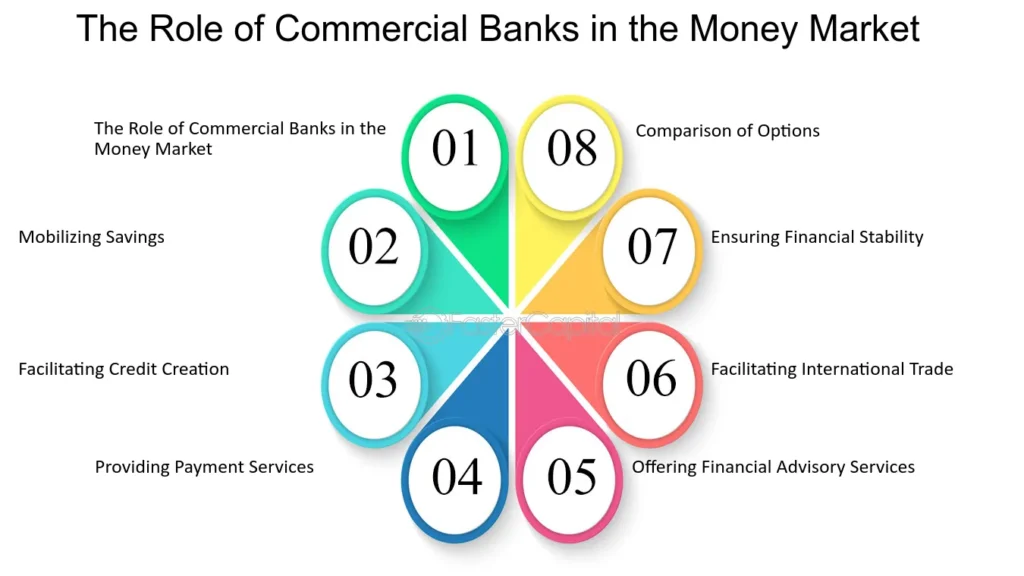
Pakistan’s commercial banks remain the backbone of consumer lending. Major banks dominate the market through:
- Credit cards
- Auto financing
- Salary-based personal loans
- Consumer durable installment plans
Banks benefit from:
- Established customer bases
- Payroll-linked lending (lower default risk)
- Strong regulatory frameworks
Even during tight monetary cycles, banks selectively continue consumer lending to salaried individuals with stable income profiles.
4. Digital Banking and Fintech Revolution
One of the most exciting changes in Pakistan’s consumer lending market is the rise of fintechs and digital lenders.
Key developments include:
- App-based microloans
- BNPL services for online shopping
- Digital wallets offering short-term credit
- AI-based credit scoring using alternative data
Fintechs are reaching previously unbanked and underbanked users, especially freelancers, gig workers, and small traders who traditionally lacked access to formal credit.
5. Regulatory Support and Framework
The State Bank of Pakistan (SBP) plays a central role in shaping the consumer lending landscape. Over the years, SBP has introduced:
- Consumer protection regulations
- Caps on certain loan categories
- Risk management and disclosure requirements
- Guidelines for digital and micro-lending
While regulations can slow growth during tightening cycles, they also help maintain financial stability and prevent reckless lending.
Interest Rates: A Double-Edged Sword
Interest rates are one of the most influential factors in Pakistan’s consumer lending market.
High Rates – Slowing Demand
When policy rates rise:
- Loan affordability declines
- Monthly installments increase
- Demand for auto and personal loans slows
High Rates – Higher Bank Margins
At the same time:
- Banks earn higher interest income
- Lending becomes more selective and risk-focused
This creates a push-and-pull dynamic, where growth slows but profitability per loan often increases.
Popular Consumer Lending Segments in Pakistan
1. Auto Financing
Auto loans are one of the largest components of consumer lending. Demand fluctuates with:
- Interest rates
- Car prices
- Fuel costs
- Import policies
Despite periodic slowdowns, auto financing remains popular due to limited public transport options in major cities.
2. Credit Cards
Credit card usage in Pakistan is still relatively low, but it is growing steadily. Cards are used for:
- Retail purchases
- Online shopping
- Travel and subscriptions
Banks aggressively promote cards through discounts, reward programs, and installment plans.
3. Personal Loans
Personal loans are typically:
- Short-term
- Salary-backed
- Used for emergencies, weddings, education, or medical needs
This segment is highly sensitive to interest rates and employment conditions.
4. Digital Micro-Lending
Fintech-driven microloans are one of the fastest-growing segments, offering:
- Small ticket sizes
- Short tenures
- Instant approvals
While convenient, this segment also carries higher default risk and requires strong regulatory oversight.
Risks and Challenges Facing the Market
1. Rising Default Risk
Economic uncertainty, inflation, and job insecurity can increase:
- Missed payments
- Loan restructuring
- Non-performing loans (NPLs)
Banks and fintechs must carefully balance growth with credit discipline.
2. Financial Literacy Gaps
Many consumers:
- Do not fully understand interest rates
- Misjudge repayment capacity
- Accumulate excessive debt
Low financial literacy remains a structural challenge for sustainable growth.
3. Regulatory Tightening
As digital lending expands, regulators are increasingly cautious about:
- Predatory practices
- Data privacy
- Excessive interest rates
Stricter regulations may slow innovation but protect consumers in the long run.
Why Consumer Lending Matters for Pakistan’s Economy
Consumer lending:
- Supports household consumption
- Boosts manufacturing and retail sectors
- Encourages financial inclusion
- Helps formalize the economy
When managed responsibly, it acts as a growth multiplier, especially during economic recovery phases.
Future Outlook: Where Is the Market Headed?
Looking ahead, Pakistan’s consumer lending market is likely to be shaped by:
- Digital-first lending models
- Improved credit scoring using data analytics
- Gradual interest rate normalization
- Stronger consumer protection laws
- Expansion into underbanked regions
While short-term volatility will persist, the long-term fundamentals remain strong, driven by demographics, technology, and unmet credit demand.
Conclusion
Pakistan’s $5 billion consumer lending market thrives on a complex mix of demographics, banking innovation, digital disruption, and evolving consumer behavior. Despite economic headwinds, it continues to play a vital role in enabling household spending and financial inclusion.
The key to sustainable growth lies in responsible lending, smarter regulation, and greater financial awareness. As technology reshapes credit access and new players enter the field, Pakistan’s consumer lending market is poised to become more inclusive, resilient, and impactful in the years ahead.