

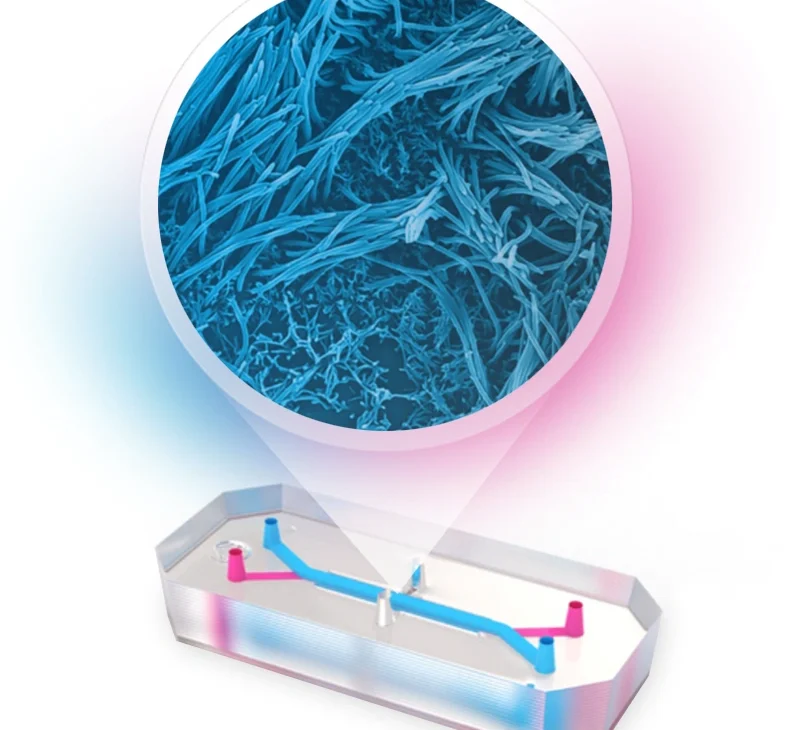
In a major scientific breakthrough, UK scientists create a personalized lung-on-a-chip , a cutting-edge technology that replicates the structure and function of human lungs using patient-specific cells. This innovation marks a significant step forward in precision medicine, offering new hope for patients with chronic lung diseases and transforming how scientists study respiratory conditions, test drugs, and develop personalized treatments.
The lung-on-a-chip technology combines biology, engineering, and microfluidics to simulate how real lungs behave inside the human body. What makes this UK-led development truly groundbreaking is its personalized approach, allowing researchers to model an individual patient’s lung biology with unprecedented accuracy.
In this blog, we’ll explore what a personalized lung-on-a-chip is, how UK scientists developed it, why it matters, and how it could reshape the future of healthcare.
What Is a Lung-on-a-Chip?
A lung-on-a-chip is a small, transparent device—often no bigger than a USB stick—that mimics the physical, chemical, and biological environment of the human lung.
It typically includes:
- Living lung cells grown on flexible membranes
- Tiny channels that simulate airflow and blood flow
- Mechanical stretching to mimic breathing motions
Unlike traditional cell cultures, lung-on-a-chip systems recreate real-life lung behavior, including gas exchange, immune responses, and tissue movement.
What Makes This Lung-on-a-Chip Personalized?
The breakthrough achieved by UK scientists lies in personalization. Instead of using generic lung cells, researchers used cells taken directly from individual patients.
This allows the lung-on-a-chip to:
- Reflect a patient’s unique genetics
- Accurately model disease progression
- Predict how a specific patient may respond to treatments
This personalized approach represents a major leap from one-size-fits-all research toward truly individualized medicine.
How UK Scientists Developed the Technology
UK researchers combined advanced techniques from multiple disciplines to create the personalized lung-on-a-chip:
1. Patient-Derived Cells
Cells were collected from patients through minimally invasive procedures and then cultured in the lab.
2. Microengineering
Engineers designed microfluidic channels that replicate blood vessels and airways at a microscopic scale.
3. Biomechanical Simulation
The chip recreates breathing motions by stretching lung tissue rhythmically, mimicking inhalation and exhalation.
4. Real-Time Monitoring
Sensors allow scientists to observe inflammation, infection, and drug responses in real time.
Why This Breakthrough Matters
The fact that UK scientists create a personalized lung-on-a-chip has far-reaching implications for medicine and research.
1. Better Disease Modeling
Conditions such as:
- Asthma
- Chronic obstructive pulmonary disease (COPD)
- Pulmonary fibrosis
- Lung cancer
can now be studied using patient-specific lung models rather than animal testing or generalized cell lines.
2. Precision Drug Testing
Doctors can test medications on a patient’s lung-on-a-chip before prescribing them, reducing trial-and-error treatments and side effects.
3. Faster Drug Development
Pharmaceutical companies can identify effective drugs more quickly, lowering costs and speeding up approvals.
Reducing the Need for Animal Testing
One of the most important benefits of lung-on-a-chip technology is its potential to replace animal testing.
Traditional animal models often fail to accurately predict how human lungs respond to drugs or infections. Personalized lung-on-a-chip systems provide:
- More accurate human data
- Ethical alternatives to animal testing
- Improved safety and reliability
This aligns with global efforts to develop humane and more predictive research methods.
Applications in Respiratory Infections
The personalized lung-on-a-chip is especially valuable for studying respiratory infections, including:
- Influenza
- Tuberculosis
- COVID-19 and future viral threats
Researchers can observe how pathogens interact with lung tissue and immune cells, helping identify effective treatments faster.
Impact on Chronic Lung Disease Treatment
Millions of people worldwide suffer from chronic lung conditions. This technology could help:
- Identify why some patients respond poorly to treatment
- Develop customized therapy plans
- Monitor disease progression more accurately
For patients, this means more effective care and improved quality of life.
Role in Environmental and Pollution Research
UK scientists also see potential in using personalized lung-on-a-chip systems to study:
- Air pollution
- Cigarette smoke
- Industrial chemicals
By exposing lung chips to pollutants, researchers can measure damage and inflammation, helping shape public health policies and safety regulations.
Challenges and Limitations
Despite its promise, the technology still faces challenges:
- High development costs
- Complex manufacturing processes
- Need for standardization before widespread clinical use
However, ongoing research and investment are expected to overcome these hurdles in the coming years.
The Future of Lung-on-a-Chip Technology
The success of this project opens the door to broader applications, including:
- Multi-organ chips (lung–heart–liver systems)
- Personalized disease models for other organs
- Integration with artificial intelligence for predictive analysis
As these technologies evolve, personalized organ-on-a-chip systems may become a routine part of clinical decision-making.
Conclusion
The fact that UK scientists create a personalized lung-on-a-chip represents a major milestone in modern medicine. By combining patient-specific biology with advanced engineering, this innovation offers a powerful tool for understanding lung diseases, testing treatments, and delivering truly personalized healthcare.
As research continues, lung-on-a-chip technology has the potential to reduce animal testing, speed up drug development, and dramatically improve outcomes for patients with respiratory conditions.
This breakthrough not only changes how we study lungs—it reshapes the future of precision medicine itself. 🫁🔬