
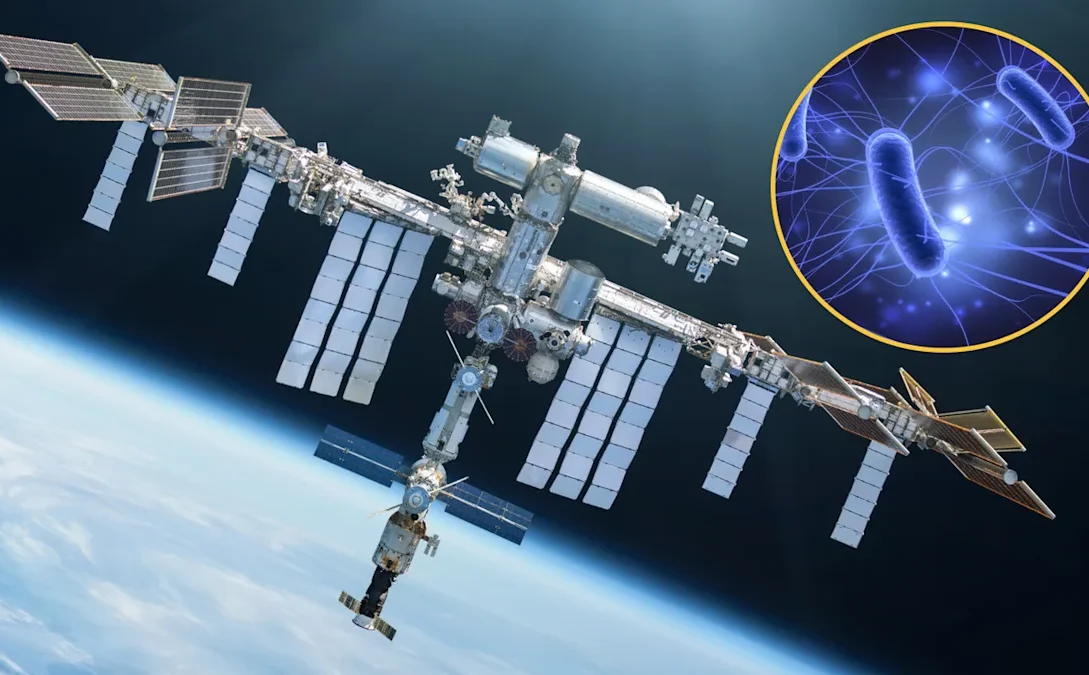
As humanity pushes deeper into space exploration, scientists are uncovering fascinating insights into how life behaves beyond Earth. One emerging and highly significant area of research is phage–host dynamics in space—the study of interactions between bacteriophages (viruses that infect bacteria) and their bacterial hosts under spaceflight conditions.
On Earth, bacteriophages play a critical role in regulating microbial populations, shaping ecosystems, and influencing human health. But what happens to these delicate virus–host relationships in microgravity, under increased radiation, and within closed spacecraft environments? Understanding these dynamics is not only vital for astronaut safety but also holds promise for biotechnology, medicine, and long-term space colonization.
This blog takes a deep dive into phage–host dynamics in space, explaining the science, key findings, challenges, and why this research matters for the future of space missions.
What Are Phage–host dynamics?
Before exploring space-specific effects, it’s important to understand what phage–host dynamics mean.
- Bacteriophages (phages) are viruses that infect and replicate inside bacteria.
- Hosts are the bacterial cells that phages depend on for survival and reproduction.
On Earth, this interaction can follow two main pathways:
- Lytic cycle – the phage hijacks the host cell, replicates, and causes the cell to burst.
- Lysogenic cycle – the phage integrates its genetic material into the host’s genome and remains dormant until activated.
These dynamics influence bacterial evolution, antibiotic resistance, and ecosystem balance. In space, however, the rules may change.
Why Study Phage–host dynamics in Space?
Studying phage–host dynamics in space is essential for several reasons:
1. Astronaut Health
The human body hosts trillions of microbes. Changes in microbial behavior during spaceflight could increase infection risks or reduce immune system effectiveness.
2. Spacecraft Microbiomes
Space stations and spacecraft are closed environments. Microbial imbalances could affect air quality, water systems, and equipment safety.
3. Biotechnology in Space
Phages could be used as alternatives to antibiotics, especially where drug resistance is a concern during long-duration missions.
4. Fundamental Science
Space provides a unique environment to study evolution, adaptation, and virus–host interactions under extreme conditions.
How Space Conditions Affect Phage–Host Dynamics
Spaceflight introduces several environmental factors that significantly alter microbial behavior.
Microgravity Effects
In microgravity:
- Bacteria often show faster growth rates
- Changes occur in cell shape, gene expression, and metabolism
- Biofilm formation may increase
These changes can directly impact how phages infect bacteria, potentially altering infection rates and replication efficiency.
Cosmic Radiation
Space radiation can:
- Damage bacterial and phage DNA
- Increase mutation rates
- Influence phage integration into host genomes
This may accelerate microbial evolution, creating new strains with unknown behaviors.
Stress Responses
Spaceflight stress can trigger bacterial defense mechanisms, such as:
- CRISPR-Cas immune systems
- Altered surface receptors that phages use to attach
As a result, phage–host dynamics in space may become more complex and unpredictable.
Key Findings from Space Research
Several experiments conducted on the International Space Station (ISS) and simulated microgravity environments have revealed surprising results.
Increased Virulence
Some studies suggest bacteria may become more virulent in space, which could change how phages control bacterial populations.
Altered Phage Replication
Phage replication rates and infection efficiency can differ significantly compared to Earth-based conditions.
Genetic Changes
Spaceflight has been shown to affect gene regulation in both phages and bacteria, influencing survival strategies and interaction outcomes.
These findings highlight the need for continuous research into phage–host dynamics in space.
Implications for Long-Term Space Missions
As missions extend to the Moon, Mars, and beyond, understanding microbial behavior becomes critical.
Infection Control
If bacteria become more resistant or aggressive, phage therapy could offer a targeted and adaptable solution.
Life Support Systems
Microbes are essential for waste recycling and air purification. Stable phage–host dynamics ensure these systems function properly.
Planetary Protection
Understanding how microbes evolve in space helps prevent contamination of other planets and protects Earth upon return.
Phage Therapy in Space
One exciting application of phage–host dynamics in space is phage therapy—using bacteriophages to treat bacterial infections.
Benefits include:
- High specificity (targets harmful bacteria only)
- Effectiveness against antibiotic-resistant strains
- Potential for on-demand customization
In space, where medical resources are limited, phage therapy could become a critical tool for maintaining crew health.
Challenges in Studying Phage–Host Dynamics in Space
Despite its importance, this research faces several challenges:
Limited Access to Space
Space experiments are costly and limited in frequency.
Small Sample Sizes
Constraints on payload and crew time reduce experimental scope.
Complex Data Interpretation
Separating the effects of microgravity, radiation, and stress is scientifically challenging.
To address these issues, researchers often combine spaceflight experiments with Earth-based simulations.
The Role of Advanced Technologies
Modern tools are accelerating progress in this field.
Genomics and Transcriptomics
These technologies reveal how gene expression changes during spaceflight.
Artificial Intelligence
AI helps analyze complex datasets and predict phage–host interactions under space conditions.
Microfluidics
Miniaturized labs allow real-time monitoring of microbial behavior aboard spacecraft.
Future Directions in Research
The future of phage–host dynamics in space research is promising and expanding rapidly.
Key areas of focus include:
- Long-duration studies on deep-space missions
- Development of phage-based medical treatments for astronauts
- Engineering microbes optimized for space environments
- Studying evolutionary processes in microgravity
These efforts will not only support space exploration but also improve our understanding of microbial life on Earth.
Conclusion
Phage–host dynamics in space represent a fascinating intersection of microbiology, space science, and human health. As we venture farther from Earth, understanding how viruses and bacteria interact under extreme conditions becomes essential for safe, sustainable space travel.
From protecting astronauts to advancing biotechnology, this research holds immense potential. Space may be harsh and unforgiving, but even there, microscopic life adapts, evolves, and continues its ancient struggle for survival—offering scientists invaluable insights along the way.