

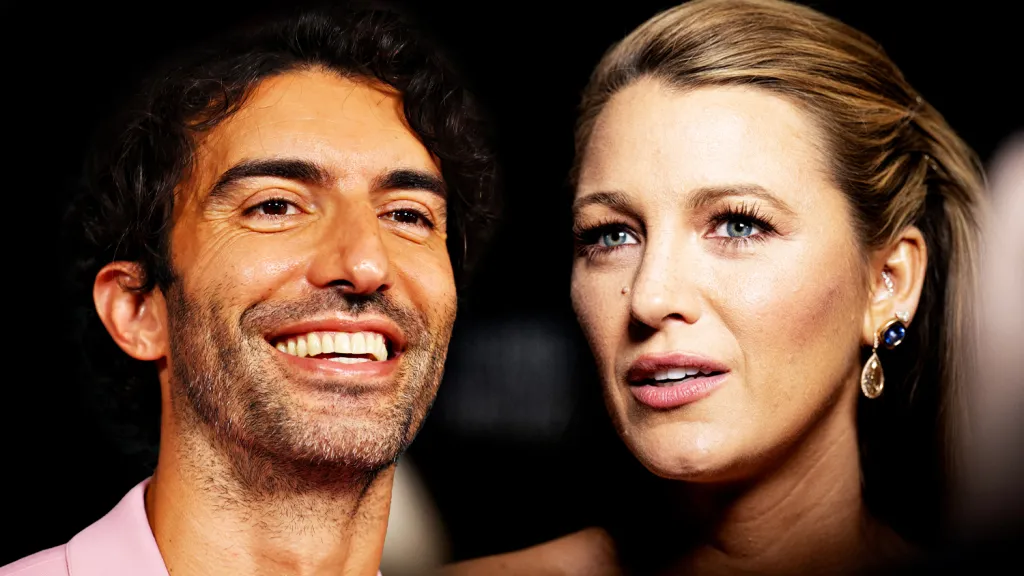
In the latest twist in one of Hollywood’s most talked-about legal disputes, actor and director **Justin Baldoni’s legal team has urged a federal judge to dismiss actress Blake Lively’s lawsuit, claiming her allegations amount to “petty slights” rather than actionable misconduct. The courtroom showdown deepens a high-profile conflict that has captivated the entertainment world and sparked broader conversations about workplace conduct in the film industry.
Background: The Lawsuit at the Heart of the Dispute
The legal battle between Baldoni and Lively stems from their collaboration on the 2024 film It Ends With Us. Lively — who starred in the movie — filed a lawsuit alleging sexual harassment, retaliation, invasion of privacy, and civil rights violations during the production process.
According to court filings, Lively’s allegations include claims that Baldoni made unwanted advances, inappropriate remarks, and exerted pressure during filming and promotional activities. Her legal team asserts that this conduct created a hostile work environment and led to serious personal and professional harm.
The case has drawn public attention not only because of the celebrities involved but also because it touches on Hollywood workplace culture, power dynamics, and accountability. Messages between Lively and friends — including texts with singer Taylor Swift about the situation — have been released in court documents, feeding media coverage and fan discussion.
Baldoni’s Legal Strategy: Asking for Dismissal
On Thursday, Justin Baldoni’s attorney Jonathan Bach appeared before a U.S. District Court and urged Judge Lewis Liman to dismiss Lively’s lawsuit outright. The defense’s central argument is that Lively’s claims are based on what Baldoni’s team calls “petty slights” and “trivial interactions”, rather than conduct that legally qualifies as discrimination or harassment.
Bach told the court, “context matters,” explaining that many allegations relate to artistic and aesthetic decisions on a set filming adult themes — such as scenes involving pregnancy — and that these by themselves do not constitute actionable wrongdoing. He argued that the law requires evidence that conduct “not only entered the workplace, but was used to discriminate against women.”
To support the dismissal motion, Baldoni’s lawyers said:
- Many of the situations described do not rise to the level of harassment under federal or state law.
- Baldoni addressed concerns as soon as Lively raised them, including misunderstandings about physical appearance and other on-set interactions.
- Some claims may be classified as creative or artistic disagreements rather than conduct warranting legal action.
Judge Liman acknowledged the complexity of the legal arguments, noting in proceedings that while “a whole bunch of little things can add up to a big thing,” the court must evaluate whether the claims legally support a lawsuit moving forward. Decisions on motions to dismiss hinge on whether the plaintiff’s allegations, taken as true, state a claim that the law recognizes.
Lively’s Position: Allegations of Inappropriate Behavior
Lively’s lawyers, led by Esra Hudson, have countered that Baldoni’s conduct was “consistently inappropriate and crossing boundaries” — particularly when deviating from the scripted material in ways that made Lively uncomfortable on set. Accusations cited in filings include improvised intimate moments and physical interactions that were not planned or consented to, including a birth scene and a dance sequence.
Hudson argued that Lively’s claims are not based on “slights,” but rather on real incidents that contributed to a hostile work environment. She told the court that in specific instances, Lively expressed clear discomfort with Baldoni’s behavior, underscoring that consent and professional boundaries were at issue.
Legal Landscape and Trial Timeline
A trial in the case is currently scheduled for May 18, 2026, giving both sides time to file additional motions and argue their positions on key legal questions before the start of the formal trial.
This motion to dismiss is a standard early step in complex civil litigation, especially in high-stakes disputes involving allegations ranging from harassment to potential discrimination. The judge’s ruling on the motion will determine how many — if any — of Lively’s claims survive to be decided by a jury.
Broader Implications: Hollywood and Workplace Conduct
This high-profile case has sparked broader debate within the entertainment industry and among public audiences about workplace behavior, consent, and power dynamics on film sets. Cases involving alleged misconduct by directors or other creatives often raise questions about how legal standards intersect with creative freedom and professional boundaries.
Supporters of stronger harassment protections argue that even subtle misconduct can accumulate into a hostile environment that stifles careers and causes real harm. Critics of cases like Lively’s caution against treating every uncomfortable interaction as legally actionable and note that workplace disputes can sometimes stem from personality clashes rather than objective violations of law.
Given the celebrity profiles involved — including Lively, Baldoni, and mentions by figures such as Taylor Swift — media coverage will likely continue well beyond the courtroom. Fans and industry watchers are closely following every new filing and judge’s ruling as the case unfolds.
Conclusion: What to Expect Next
Justin Baldoni’s legal team’s call to dismiss Blake Lively’s lawsuit marks a significant legal maneuver aimed at narrowing or ending the case before it reaches trial. Whether Judge Liman agrees to throw out portions of the complaint or allows it to proceed to a full jury trial will shape the next chapter of this widely publicized Hollywood feud.
As both sides prepare for upcoming court dates, the entertainment world remains focused on questions of workplace conduct, legal standards for harassment, and how high-profile disputes are resolved in the public eye.