
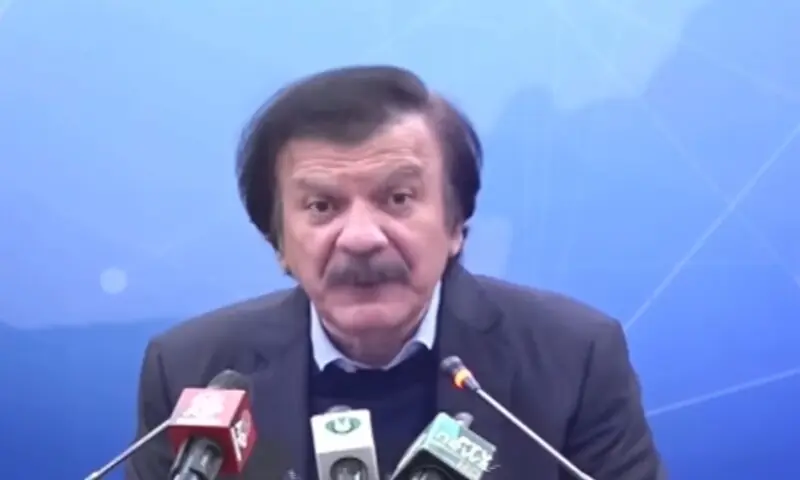
In a significant development that could ease the burden on businesses and consumers alike, Special Assistant to the Prime Minister Haroon Akhtar Khan announced that the government of Pakistan is planning to reduce taxes on industries and cut electricity tariffs in the near future. The announcement Taxes and Power Tariffs to Be Cut Soon , made at a press conference in Islamabad on January 21, 2026, underscores the government’s strategy of using targeted fiscal relief as part of broader economic reforms.
According to Haroon, the government’s focus has now shifted toward strengthening the backbone of the economy — micro, small, and medium enterprises (MSMEs) — following progress in stabilising key macroeconomic indicators. This policy pivot comes after months of economic challenges, where high costs and utility burdens have strained both households and businesses.
Why the Cuts Are Being Proposed
1. Macroeconomic Stability Provides Room for Reform
Haroon highlighted that macroeconomic stability has largely been achieved, creating space for fiscal measures that directly support growth. Reducing tax pressures and power costs can help stimulate investment and improve confidence within the private sector.
2. MSMEs at the Centre of Economic Strategy
MSMEs are widely regarded as critical drivers of employment, production, and exports in Pakistan. However, they often operate under significant cost constraints, including high input costs and limited access to finance. By cutting taxes and lowering energy tariffs, policymakers aim to enhance competitiveness and reduce operational costs for small businesses.
What the Relief Could Mean for Businesses
Lower Taxes on Industry
Reducing taxes on industries — especially for MSMEs — is expected to:
- Lower overall cost of doing business
- Increase profitability
- Encourage formalisation and investment
- Improve export competitiveness
Tax rationalisation has long been a priority among business communities, and recent reforms have already signalled movement toward easing the tax burden on firms.
Reduced Electricity Tariffs
Electricity tariffs remain one of the highest cost components for industrial and commercial users in Pakistan. According to business analysts, Pakistan’s energy costs — often higher than regional competitors — have been a major drag on industrial activity and export competitiveness.
Lowering power tariffs could have multiple benefits:
- Reduce production costs for manufacturers
- Improve competitiveness in domestic and international markets
- Ease financial stress on households
- Support growth in key sectors like textiles, agriculture, and SMEs
Recent government efforts already reflect this trend, with reductions in industrial cross‑subsidy burdens and average electricity tariffs through renegotiated contracts and regulatory reforms.
Context: Why Energy Costs Have Been a Challenge
Pakistan’s industrial energy costs have historically been higher than those in neighbouring economies, contributing to lower competitiveness. According to industry representatives, local manufacturers sometimes pay nearly double what peers in the region pay for electricity, impacting margins and export potential.
Efforts to address this have included renegotiating contracts with independent power producers and trimming tariff burdens through regulatory action — steps that have already yielded measurable reductions in average rates.
Government’s Broader Reform Agenda
The proposed tax and tariff cuts are part of a larger set of economic reforms aimed at boosting growth, including:
- Reorganising the Small and Medium Enterprises Development Authority (SMEDA) and developing a comprehensive SME policy.
- Promoting export‑oriented growth and investment facilitation.
- Simplifying regulations and reducing red tape for businesses.
Hosting events like the “Made in Pakistan SME Cluster Showcase Expo 2026” — which brings together domestic and international participants — underscores the government’s emphasis on showcasing local enterprises and enhancing market access for smaller firms.
Economic Implications for Consumers
While the immediate focus is on industry, lower electricity tariffs are likely to percolate to household consumers. Reduced power costs can:
- Decrease monthly utility bills
- Improve disposable income for families
- Increase consumer spending in the broader economy
However, the impact will depend on how electricity tariff revisions are implemented by the regulator and whether tax cuts are extended across sectors.
Challenges and Considerations
Fiscal Impact
While tax cuts and tariff reductions can stimulate activity, they also have implications for government revenue. Balancing relief measures with fiscal discipline and debt sustainability remains a delicate act for policymakers.
Regulatory Process
Electricity tariff changes typically require approval from the National Electric Power Regulatory Authority (NEPRA). Past efforts to lower tariffs have involved both regulatory hearings and negotiations with power producers.
External Conditions
Broader economic conditions — including negotiations with international lenders, inflationary pressures, and investment flows — will influence how quickly and effectively these proposed cuts can be implemented.
What’s Next?
Government officials have indicated that detailed proposals on tax reductions and tariff cuts will be announced “soon,” emphasizing the need for a supportive policy framework that bolsters business confidence and promotes growth.
As Pakistan navigates its economic recovery, these measures — if realised — could provide much‑needed relief to businesses and consumers alike, paving the way for stronger economic activity and competitive advantages in regional markets.
Conclusion
The announcement by Special Assistant Haroon Akhtar Khan that taxes and power tariffs are set to be cut soon signals a strategic shift in Pakistan’s economic policy — one that aims to reduce cost pressures, unlock private‑sector potential, and support MSMEs that form the backbone of the economy. By easing the tax burden and lowering electricity costs, the government is attempting to create a more competitive, resilient, and growth‑oriented economic environment.
These reforms, if implemented judiciously, could spur investment, reduce operational costs, and deliver tangible benefits to consumers and businesses across Pakistan.